If you have a pet who has on-going loose stools, unpredictable digestion, we hear you and understand how frustrating it can be! Treating with diet and medications helps sometimes, but sometimes it doesn’t. That’s because they are not directly supporting the gut microbiome.
What is the Gut Microbiome?
What is Dysbiosis?
'Dysbiosis' simply means an imbalance in the gut microbial community.
In healthy animals, these microorganisms are in balance and help each other out. However, in chronic digestive disease, this balance is disrupted, good bacteria decrease while other populations thrive, leading to inflammation.
In healthy animals, these microorganisms are in balance and help each other out. However, in chronic digestive disease, this balance is disrupted, good bacteria decrease while other populations thrive, leading to inflammation.
What can we do?
For years, antibiotics were the go-to solution for gut issues in pets. But we now know that they aren’t always the best option. Broad-spectrum antibiotics can disrupt your pet’s gut microbiome, wiping out beneficial bacteria and potentially making recovery slower or more complicated.
Many pet parents think a standard faecal test is enough but routine tests do not give the full picture. Most gut bacteria are anaerobic and will not grow in standard cultures. Studies also show that culture results cannot reliably distinguish healthy pets from those with chronic gut issues. That’s why we offer Gut Microbiome Testing for dogs and cats. Using genetic sequencing, this test shows the diversity and abundance of key bacterial groups, giving a clearer snapshot of your pet’s gut health. Keep in mind, the microbiome is dynamic, so results are just one piece of the puzzle and should be interpreted alongside clinical signs and other diagnostics.
Many pet parents think a standard faecal test is enough but routine tests do not give the full picture. Most gut bacteria are anaerobic and will not grow in standard cultures. Studies also show that culture results cannot reliably distinguish healthy pets from those with chronic gut issues. That’s why we offer Gut Microbiome Testing for dogs and cats. Using genetic sequencing, this test shows the diversity and abundance of key bacterial groups, giving a clearer snapshot of your pet’s gut health. Keep in mind, the microbiome is dynamic, so results are just one piece of the puzzle and should be interpreted alongside clinical signs and other diagnostics.
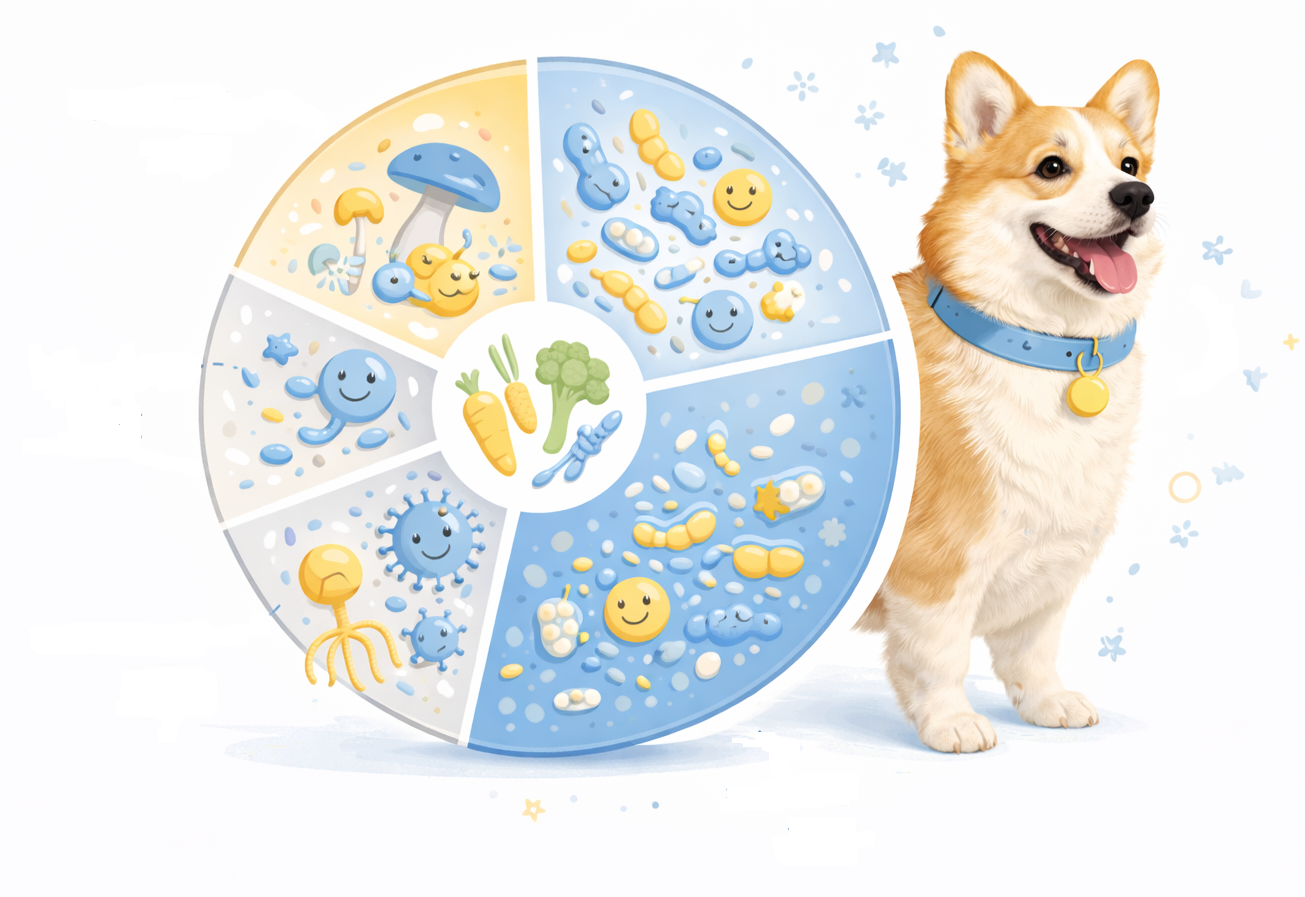
All we need is your pet's stool sample.
Here are some of the key things the test can reveal:
A healthy gut usually contains a wide variety of bacterial species. The test identifies the types and proportions of bacteria present in the faecal sample, often detecting more than 5000 bacterial species. It measures this diversity and compares it with profiles from healthy animals. Lower diversity may suggest dysbiosis.
2. Presence of beneficial bacteria
The report also evaluates beneficial bacterial groups, for example, Faecalibacterium helps to break down dietary fibre, Fusobacterium helps to digest animal protein, while Blautia have anti-inflammatory properties to protect the gut lining. The test shows whether these important bacteria are present in healthy amounts.
3. Detection of pathogenic bacteria
The analysis also identifies bacteria associated with gastrointestinal illness, such as Clostridium perfringens, Campylobacter, Salmonella and certain strains of E.coli.
4. Treatment options
By assessing bacterial abundance and diversity, microbiome testing can guide targeted treatment strategies.
In short,
If your pet has chronic intermittent diarrhoea, frequent vomiting, poor appetite, don’t just dismiss it as a case of ‘sensitive stomach’. Your pet’s gut microbiome influences more than digestion. Here at Ark Vet Rehabilitation, we take an evidence-based approach that goes beyond treating symptoms. Our goal is to support a resilient gut, reduce flare-ups, and help your pet live a happier, healthier life.
Keen to learn more? Stay tuned for our next post on tips to improve and support gut health.
Keen to learn more? Stay tuned for our next post on tips to improve and support gut health.
Created with